
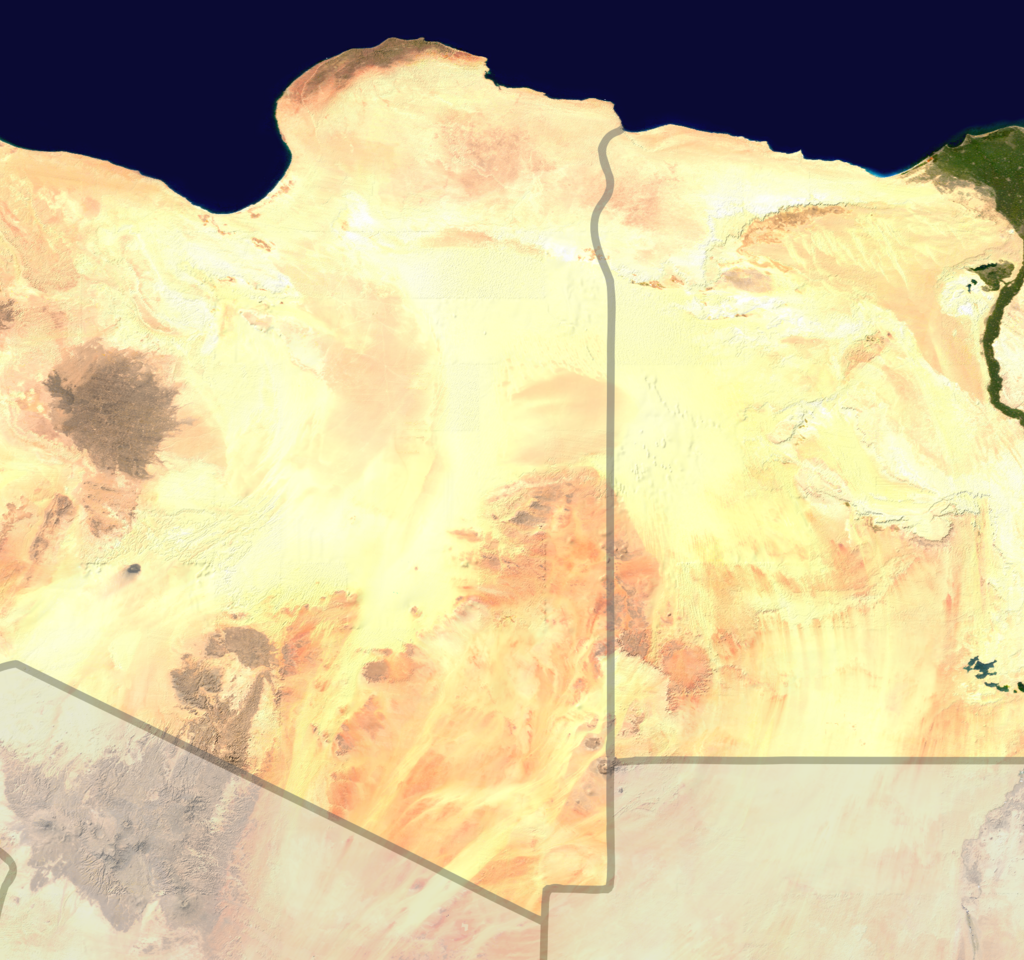
Egypt and Libya are considering a proposed 800-kilometre oil pipeline linking the eastern Libyan port of Tobruk with Alexandria on Egypt’s Mediterranean coast, according to an analysis published by energy researcher Francesco Sassi.
The proposal has gained attention amid heightened concerns over the security of oil supplies and maritime transport routes in the region. The project would seek to connect Libyan crude production with Egypt’s refining and export infrastructure, potentially reducing reliance on longer maritime supply routes.
Sassi said Egypt has sought additional crude supplies from Libya following disruptions affecting Gulf energy shipments. He cited a request by Cairo for 1.2 million barrels of Libyan oil per month, although the details and status of any such arrangement would require confirmation from the relevant authorities.
Egypt and Libya are eyeing a major 800-km oil pipeline connecting Tobruk to Alexandria.
The Strait of Hormuz crisis is driving a resurgence in energy megastructures.
Here is why this $2B project matters for North African geopolitics 🧵🇪🇬🇱🇾👇 pic.twitter.com/0s3wpilU2z
— Francesco Sassi (@Frank_Stones) August 18, 2026
The proposed pipeline would run across Libya before reaching Egypt. Its estimated cost has previously been put at about $1 billion, but Sassi argued that construction, pumping infrastructure, materials and security requirements could bring the figure closer to $1.5 billion-$2 billion. He estimated a potential capacity of 200,000 to 250,000 barrels per day, which could generate several billion dollars in annual oil throughput at sufficiently high utilization and prevailing prices.
The project would also face significant political and security challenges. Libya remains divided between rival political and military authorities, and any pipeline crossing eastern Libya would require the cooperation of forces aligned with Khalifa Haftar, whose Libyan National Army controls much of the country’s east.
An agreement involving Libya’s internationally recognized authorities in Tripoli would therefore not necessarily be sufficient to secure the entire route. Questions over security, financing, ownership, transit arrangements and the distribution of revenues would also have to be addressed.
Supporters of the proposal could view the pipeline as an economic project capable of creating incentives for cooperation between Libya’s rival factions. However, continued political fragmentation and periodic security incidents mean that the feasibility of such an undertaking remains uncertain.
For Egypt, a direct pipeline connection could strengthen access to nearby crude supplies and expand the role of its Mediterranean energy infrastructure. For Libya, it could provide another outlet for oil exports and potentially deepen energy ties with a neighboring country.
The proposal comes as disruptions and security concerns across major energy corridors have renewed interest in infrastructure designed to reduce exposure to maritime chokepoints. Whether the Tobruk-Alexandria project advances beyond the proposal stage will depend on political agreements, security conditions, financing and formal commitments from both countries.
Copyright picture: Meow, STyx, E L Yekutiel. Blue Marble credit: NASA’s Terra satellite for the MODIS imageries, combined by Meow. Credit: NASA Goddard Space Flight Center Image by Reto Stöckli (land surface, shallow water, clouds). Enhancements by Robert Simmon (ocean color, compositing, 3D globes, animation). Data and technical support: MODIS Land Group; MODIS Science Data Support Team; MODIS Atmosphere Group; MODIS Ocean Group Additional data: USGS EROS Data Center (topography); USGS Terrestrial Remote Sensing Flagstaff Field Center (Antarctica); Defense Meteorological Satellite Program (city lights)., Public domain, via Wikimedia Commons