
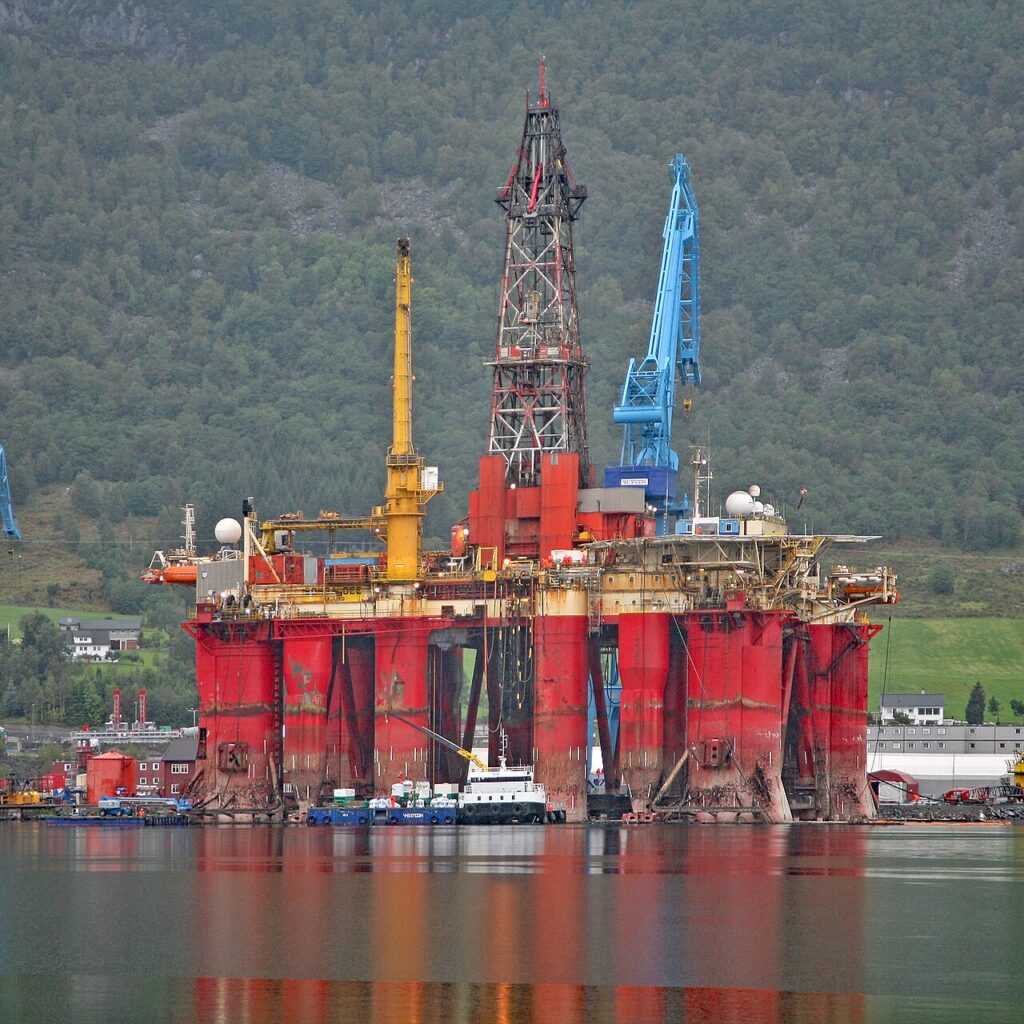
Norway is placing greater emphasis on national energy interests as it balances its role as a major European energy supplier with evolving climate and security priorities, according to an analysis by energy researcher Francesco Sassi.
The strategy has exposed differences between the Norwegian government and parts of the country’s oil and gas industry. Companies including Equinor, Aker BP and Vår Energi have continued to prioritize development on the Norwegian Continental Shelf (NCS), arguing that new production will be needed to offset declining output from existing fields after 2033.
The companies have also indicated that restrictions on Arctic gas exports could affect their commercial decisions, potentially encouraging producers to seek alternative markets outside Europe.
Norway is officially breaking with Brussels' energy policies.
Norwegian Energy Minister Terje Aasland has declared that Oslo will pursue Barents Sea oil & gas exploration—regardless of any EU Arctic moratoriums.
Here is why the EU–Norway energy alliance is fracturing 🧵🇳🇴🇪🇺👇 pic.twitter.com/tye1SlK6sS
— Francesco Sassi (@Frank_Stones) August 25, 2026
At the same time, Norway’s government has moved away from some of the language historically used to describe the country’s role in Europe’s energy transition. Energy Minister Terje Aasland has challenged the characterization of Norway as Europe’s “green battery,” emphasizing that Norway does not have the capacity to balance the European Union’s electricity grid on its own.
The shift reflects broader questions over Norway’s position between European climate objectives and its continued dependence on petroleum revenues. The oil and gas sector remains a major source of government income, particularly during periods of elevated energy prices and market volatility.
According to figures cited by Sassi, Norwegian state net cash flow from petroleum activities is projected at 686 billion Norwegian kroner this year. Higher energy prices linked to geopolitical tensions, including disruptions around the Strait of Hormuz, could further affect petroleum revenues.
The developments point to a more explicitly interest-driven approach to Norwegian energy policy, in which energy security, export revenues and national control remain central considerations alongside climate commitments.
For Europe, any sustained shift in Norway’s energy strategy could have implications for the continent’s gas supplies and its efforts to reduce dependence on fossil fuels. The balance between Norway’s domestic priorities and European energy and climate policies is therefore likely to remain an important issue in North Sea geopolitics.
Copyright picture: W. Bulach, CC BY-SA 4.0 <https://creativecommons.org/licenses/by-sa/4.0>, via Wikimedia Commons