
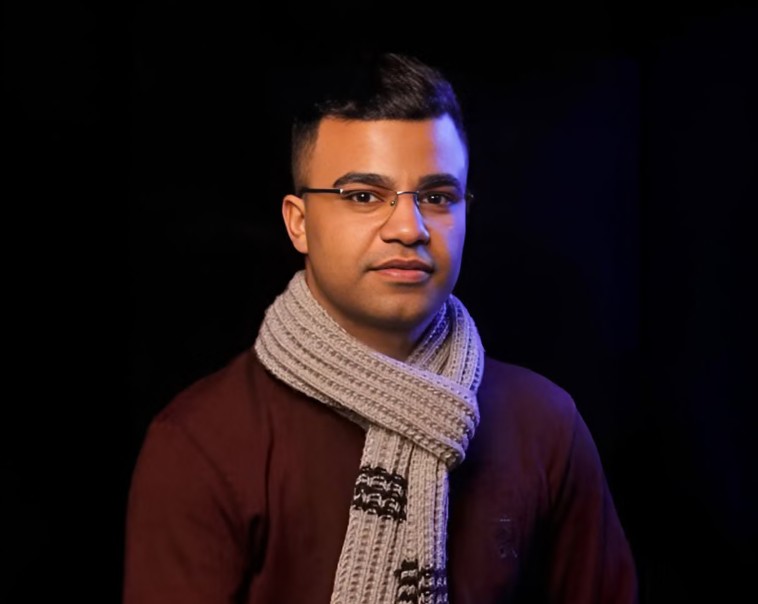
Signatories include two Nobel Peace Prize-winning presidents and prominent scientists and writers; Iranian political prisoner Mohammad Javad Vafaei-Sani sends defiant message from death row
Fifty-eight Nobel laureates from around the world have issued a joint letter applauding the decision to award the 2026 Magnitsky International Human Rights Award to Mohammad Javad Vafaei Sani, an Iranian boxing champion and political prisoner facing execution. The laureates called for urgent international intervention to save his life and secure the release of political prisoners in Iran.
Addressed to Sir William Browder, head of the Global Magnitsky Justice Campaign, the letter praised the Magnitsky Foundation for recognizing Vafaei Sani’s courage and commitment to human rights despite years of imprisonment and persecution.
The signatories include José Ramos-Horta, President of Timor-Leste and 1996 Nobel Peace Prize laureate; Ellen Johnson Sirleaf, former President of Liberia and 2011 Nobel Peace Prize laureate; Sir Richard J. Roberts, Nobel Prize laureate in Medicine; Nobel Prize-winning economists Daron Acemoglu and Philippe Aghion; physicist Steven Chu; and internationally acclaimed writers Orhan Pamuk, Wole Soyinka and Olga Tokarczuk.
In their letter, the laureates described the award as more than recognition of an individual’s courage, saying it represented an affirmation of the universal principles of human dignity, freedom, justice and self-determination.
They also highlighted the broader significance of Vafaei Sani’s resistance to the Iranian authorities, describing him as a symbol of a generation rejecting both the former monarchy and the current religious dictatorship.
The letter states that Vafaei Sani, a member of the main democratic opposition movement, the People’s Mojahedin Organization of Iran (PMOI/MEK), has endured years of imprisonment and persecution because of his political beliefs. It describes the reaffirmation of his death sentence as an illustration of the Iranian authorities’ use of capital punishment for political repression.
The Nobel laureates urged the United Nations, democratic governments, national parliaments and international human rights organizations to take immediate action to prevent his execution.
They emphasized that the significance of the Magnitsky Award should extend beyond the ceremony and become the starting point for sustained international efforts to save his life and secure freedom for Iran’s political prisoners.
Their appeal concluded with an unequivocal demand: “Mohammad Javad Vafaei-Sani must live and be set free.”
Boxer on death row in Iran vows ‘not to bow before oppression’ after winning Magnitsky human rights prize https://t.co/5Zgq7zyiKw
— Sir William Browder KCMG (@Billbrowder) November 13, 2026
A message from behind prison walls
The international appeal follows Vafaei Sani’s recognition at the Magnitsky Human Rights Awards ceremony in London, where he received the 2026 Outstanding Human Rights Activist Award.
Unable to attend because of his imprisonment in the high-security Vakilabad Prison in Mashhad, northeastern Iran, Vafaei Sani managed to send a message to the ceremony despite severe restrictions.
“Getting this message to you from behind the prison walls is extremely difficult,” he wrote, thanking the organizers for ensuring that the voices of political prisoners were heard internationally.
He dedicated the award to all those imprisoned, tortured or sentenced to death for seeking freedom in Iran, including members of the Resistance Units.
“I accept this Magnitsky award in the name of all those who, for the ‘crime’ of aspiring to a free Iran, have been imprisoned, tortured, threatened, or sentenced to death,” he declared.
Referring to the pressure exerted on political prisoners to renounce their beliefs, Vafaei-Sani wrote: “We will never surrender; we will never submit to humiliation.”
In his message, he went on to add: “Inside the country, this regime represses young people and women, while abroad it seeks to discredit the Resistance by spreading lies against it. The regime is not concerned about the restoration of the monarchy, because they have no base inside Iran and rely on foreign powers. But we oppose foreign war and believe that change can only be brought about by the Iranian people themselves, through organized resistance and a nationwide uprising. We want a free and democratic Iran; an Iran in which neither the Shah nor the Mullah rules, where the people vote freely, women and men are equal, there is no discrimination on the basis of ethnicity, religion or belief, and no one is imprisoned or executed for political opposition.”
“These aspirations are set out in Mrs. Maryam Rajavi’s Ten-Point Plan, which includes free elections, the separation of religion and state, equality between women and men, the abolition of the death penalty, and the establishment of a democratic republic,” Mohammad Javad said in his message from prison.
Vafaei Sani, who has been imprisoned since 2020, has repeatedly faced death sentences in connection with his political activities and support for the PMOI/MEK. He vowed: “I remain steadfast in my pledge, and I will not bow before oppression until the people of Iran are free.”
Copyright picture: Farashgard Foundation