
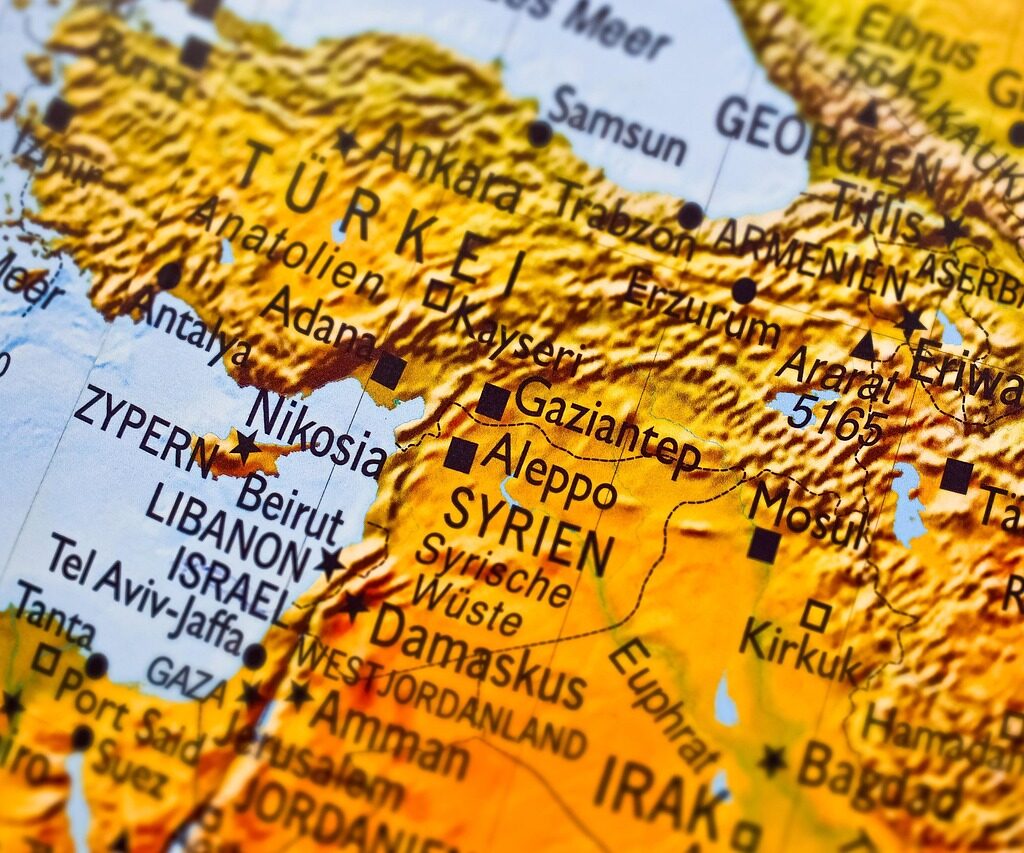
The fragile ceasefire between Israel and Iran collapsed overnight, reigniting fears of a broader regional conflict and sending shockwaves through global energy markets after both sides exchanged direct military strikes targeting strategic infrastructure.
According to reports, Tehran accused Israel of carrying out an attack in Beirut, prompting a retaliatory response from Iran’s Islamic Revolutionary Guard Corps (IRGC). Iranian forces reportedly launched ballistic missiles at Israel’s Ramat David Airbase, triggering a swift Israeli counterstrike against a major petrochemical complex in Mahshahr, located in Iran’s energy-rich Khuzestan province.
The escalation marks a dangerous new phase in the long-running confrontation between the two regional powers, with energy facilities increasingly becoming targets in the conflict. Analysts warn that attacks on processing, refining, and export infrastructure could have significant consequences for global oil and gas supplies.
Financial markets reacted immediately to the renewed hostilities. By early Monday morning in Europe, oil and natural gas prices had surged as traders rushed to price in the growing risk of a prolonged energy war in the Middle East. Concerns have intensified that continued attacks on critical infrastructure could disrupt supply chains and increase volatility across international energy markets.
At the same time, diplomatic tensions appear to be deepening between Washington and Tel Aviv. Former U.S. President Donald Trump told the Financial Times that he had instructed Israeli Prime Minister Benjamin Netanyahu to de-escalate military operations in order to preserve ongoing negotiations with Iran.
The Middle East energy war has officially reignited. Direct strikes between Israel and Iran have resumed, with vital energy infrastructure in Khuzestan targeted overnight.
As global energy markets brace for impact, a deeper diplomatic crisis is brewing. 🧵 🇮🇷🇮🇱🇺🇸👇 pic.twitter.com/gJQrbADuxU— Francesco Sassi (@Frank_Stones) June 8, 2026
However, developments on the ground suggest diplomacy remains stalled. Iran continues to exert pressure over the Strait of Hormuz, one of the world’s most important maritime energy corridors. The strategic waterway remains at the center of international concern, with Tehran reportedly demanding significant concessions before allowing a full return to normal shipping operations.
Meanwhile, U.S. efforts to squeeze Iran economically have produced mixed results. Iranian crude exports reportedly fell to their lowest levels in six years during May, dropping to between 209,000 and 300,000 barrels per day. The decline has been attributed in part to increased pressure on tanker operations and the diversion of vessels associated with Iran’s so-called “shadow fleet.” Despite the sharp drop in exports, Tehran has continued production by relying heavily on floating storage rather than shutting down oil wells.
With key energy assets under attack, shipping routes under pressure, and signs of growing disagreement between Washington and Jerusalem, analysts say the strategic landscape of the Middle East has shifted dramatically. The renewed confrontation raises the prospect of sustained disruption to global energy markets and a wider geopolitical crisis with far-reaching economic consequences.
As the situation develops, governments and investors alike are closely watching whether diplomatic efforts can regain momentum—or whether the region is entering a prolonged period of instability centered on the world’s most critical energy infrastructure.