
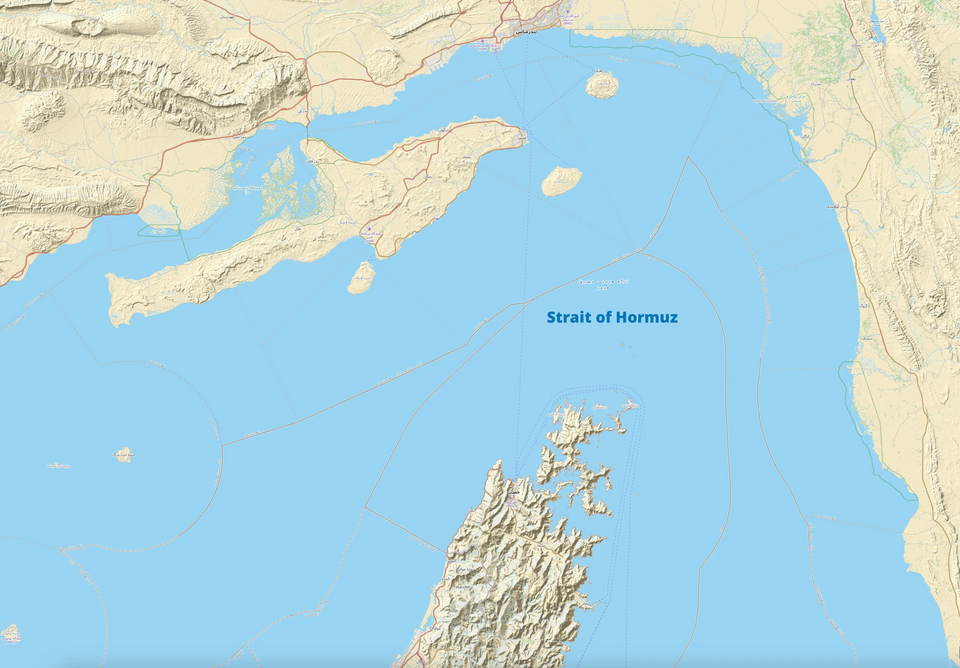
Oman has proposed the establishment of a regional body to oversee the joint management of the Strait of Hormuz, marking the latest diplomatic initiative aimed at improving security and cooperation in one of the world’s most strategically important maritime corridors. According to Omani officials, the proposal has received support from several countries across the Gulf region and forms part of broader efforts to encourage dialogue following a period of heightened military tensions.
The proposal was discussed during telephone conversations on Monday evening between Iranian Foreign Minister Abbas Araghchi and his counterparts in Oman and Saudi Arabia. During the discussions, Araghchi emphasised the importance of expanding regional cooperation and strengthening diplomatic engagement to promote long-term stability in the Gulf.
Although few details of the proposal have been made public, the suggested regional mechanism would involve neighbouring states working together on the administration and security of the Strait of Hormuz. The initiative reflects growing regional interest in reducing tensions and ensuring the continued safe passage of commercial shipping through the waterway.
Strategic Importance of the Strait of Hormuz
The Strait of Hormuz is one of the most strategically significant maritime passages in the world. Situated between Iran and Oman, it connects the Persian Gulf with the Gulf of Oman and the Arabian Sea. The narrow waterway serves as the primary route for oil exports from major Gulf producers, including Saudi Arabia, Iraq, Kuwait, the United Arab Emirates and Qatar.
A substantial proportion of the world’s seaborne crude oil and liquefied natural gas exports passes through the strait each day. As a result, any disruption to shipping in the area has the potential to affect global energy supplies and international markets. Security in the Strait of Hormuz has therefore remained a central concern for governments, shipping companies and energy producers for decades.
Previous periods of heightened regional tension have raised concerns over the possibility of shipping disruptions, resulting in increased insurance costs for commercial vessels and volatility in global oil prices. While no immediate changes to navigation arrangements have been announced, Oman’s proposal is being viewed as part of wider efforts to reduce the likelihood of future instability.
Regional Diplomatic Engagement
The proposal follows a series of diplomatic contacts between Gulf states in recent days. Oman has traditionally maintained diplomatic relations with both Iran and Arab Gulf countries, often acting as an intermediary during periods of regional tension. The country has previously facilitated negotiations involving Iran, the United States and other regional actors.
During Monday’s discussions, Foreign Minister Abbas Araghchi reiterated Iran’s support for greater regional dialogue. According to Iranian officials, he called for increased cooperation among neighbouring countries and stressed the need for diplomatic initiatives aimed at preserving stability across the Gulf.
Saudi Arabia also participated in the consultations, reflecting ongoing efforts by regional governments to maintain communication channels despite continuing political and security challenges.
Developments Following a Pause in Military Operations
The diplomatic activity comes shortly after reports that the United States had paused its military air campaign against Iran. Following nearly two weeks of successive air strikes, US officials indicated that military operations had been suspended while diplomatic efforts continued.
US President Donald Trump stated that discussions between American and Iranian representatives were progressing positively. Speaking to reporters, he said there was “a good chance that something could happen”, although he did not provide further details regarding the content or objectives of the talks.
According to reports from the news outlet Axios, Washington is seeking to provide additional time for diplomatic negotiations before considering any further military action. The reports also suggested that Iran had halted retaliatory attacks in response to the pause in US military operations.
Iran subsequently confirmed that it had suspended retaliatory strikes against countries in the Middle East hosting US military forces. The decision followed the reported suspension of American bombing operations after almost two weeks of military activity.
Iran's foreign minister discusses security of Strait of Hormuz with Saudi, Omani counterparts https://t.co/eEJBvXJm8Y
— AL-MONITOR (@AlMonitor) July 28, 2026
Oil Markets Respond to Reduced Tensions
Financial markets responded quickly to the apparent reduction in hostilities. Oil prices fell significantly after the announcement that the United States had paused its air strikes.
Brent crude, the international benchmark for oil produced in the Middle East, declined by approximately six per cent to around US$91 per barrel after briefly exceeding US$100 per barrel during the previous week’s escalation in tensions.
Lower crude oil prices were also reflected in fuel prices. In the Netherlands, average recommended pump prices for petrol and diesel fell modestly following the decline in global oil markets. Analysts noted that easing geopolitical concerns had reduced fears of supply disruptions through the Strait of Hormuz, contributing to the downward movement in prices.
Energy markets continue to monitor developments closely, with traders assessing both diplomatic progress and the potential for renewed military activity. Given the strategic importance of the Strait of Hormuz, any significant changes to regional security conditions are likely to have implications for global energy prices.
Concerns Within the United States
Reports have also emerged regarding discussions within the US administration over the sustainability of continued military operations. According to sources cited by CNN, Vice President JD Vance and General Dan Caine expressed concerns during a White House meeting about the possibility of further escalation in the conflict.
The meeting reportedly included discussions about potential additional military strikes against Iran. While General Caine is said to have advised that further operations could be carried out successfully, he also warned of the possible consequences of continued escalation.
Among the issues reportedly raised during the meeting were concerns over US munitions supplies following nearly two weeks of sustained air operations. According to the reports, these considerations formed part of a broader assessment of military options before the decision was taken to suspend the campaign.
Netanyahu Visits Washington
Meanwhile, Israeli Prime Minister Benjamin Netanyahu arrived in Washington on Monday evening local time for talks with President Trump at the White House.
Israeli media reported that the meeting is expected to focus on several regional issues, including the situation in Gaza, developments involving Lebanon and the wider security environment following recent events involving Iran.
Political analysts have suggested that the meeting also carries symbolic significance. According to Yonatan Freeman, an expert in international relations at the Hebrew University of Jerusalem, the discussions are intended to demonstrate the continued strength of relations between Israel and the United States during a period of regional uncertainty.
Netanyahu is also expected to attend a memorial service honouring the late US Senator Lindsey Graham during his visit.
Bab el-Mandeb shipping rises amid hopes of resolution in US-Iran war https://t.co/essIsHU4vr
— AL-MONITOR (@AlMonitor) July 28, 2026
Outlook
Although diplomatic engagement has increased in recent days, the situation across the Middle East remains fluid. Military tensions have eased following the reported suspension of US air operations and Iran’s announcement that it has halted retaliatory attacks, but no formal agreement has been announced between the parties involved.
Oman’s proposal for the joint regional management of the Strait of Hormuz represents one of several diplomatic initiatives currently under discussion. Whether the proposal develops into a formal regional framework will depend on the willingness of Gulf states to reach consensus on issues relating to maritime security and regional governance.
For the time being, governments, energy markets and international observers continue to monitor developments closely, with the Strait of Hormuz remaining a focal point for both regional diplomacy and global economic stability.
🇺🇸 Trump and Netanyahu meeting
Trump and Netanyahu are meeting face-to-face for the first time since February 11. The meeting is critical for repairing strained relations.
The agenda includes the war with Iran and its nuclear programme, Gaza, Lebanon, Syria and the expansion… pic.twitter.com/SpLGdMu7mh
— The Spot (@Spotnewsth) July 28, 2026
Copyright picture: OpenStreetMap, CC BY 4.0 <https://creativecommons.org/licenses/by/4.0>, via Wikimedia Commons